Welding Techniques Commonly Used in Cairns

Hanby Welding & Engineering • July 29, 2025

Have you ever wondered how the structures around Cairns — from commercial buildings to marine vessels — come together with strength and precision? Behind the scenes, skilled welders use a range of specialised techniques to join metals for structural integrity, safety and longevity.


Choosing the right welding method for each project is critical, especially in the unique conditions of Far North Queensland. In this blog, we’ll explore the welding techniques commonly used in Cairns, explain where they’re applied and show how they contribute to quality work across diverse industries.
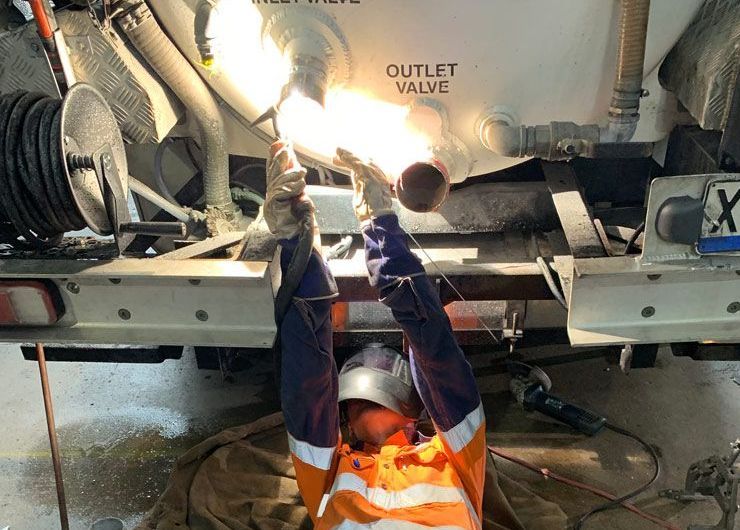
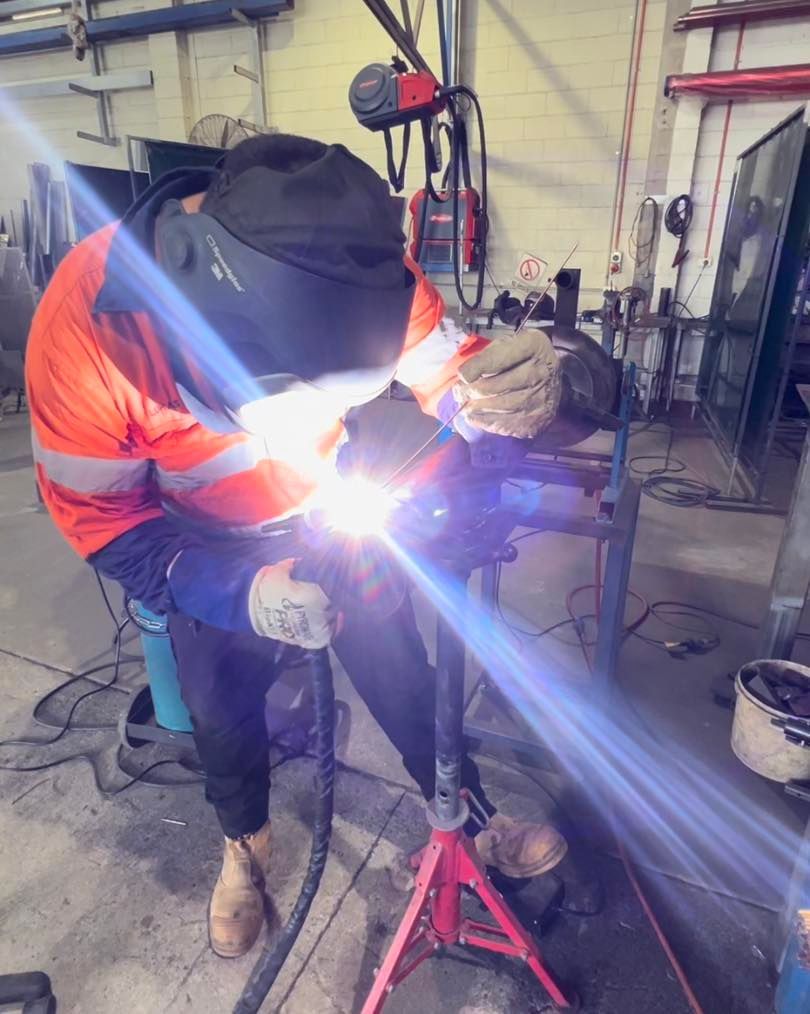
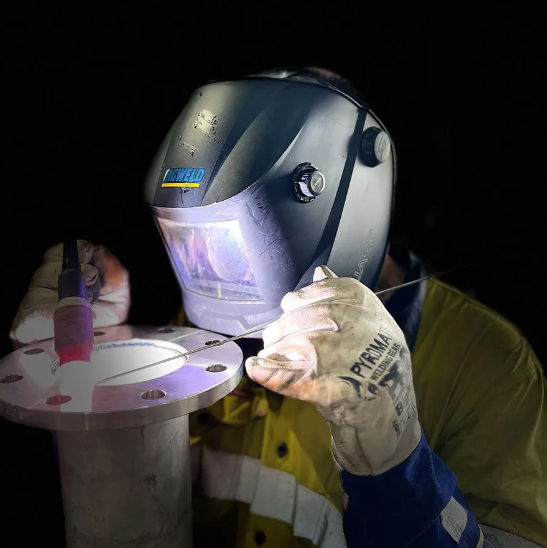
welding valves in progress

MIG Welding: Versatile & Efficient


Metal Inert Gas (MIG) welding, also known as Gas Metal Arc Welding (GMAW), is one of the most widely used methods in the Cairns region due to its versatility and speed.


Key features of MIG welding include:


  • Continuous wire feed for fast, efficient welding.
  • Ability to weld a wide range of metals, including mild steel, stainless steel and aluminium.
  • Cleaner welds with minimal spatter.
  • Suitable for both thin sheet metal and thicker materials.


Applications in Cairns:


  • Fabrication of structural steel components for commercial and residential buildings.
  • Manufacturing handrails, gates and frames.
  • Repairs on agricultural equipment and trailers.
  • Marine fabrication requires precision and clean welds.


Contractors value MIG welding for its efficiency, helping keep projects on schedule without compromising quality.


TIG Welding: Precision for High-Quality Work


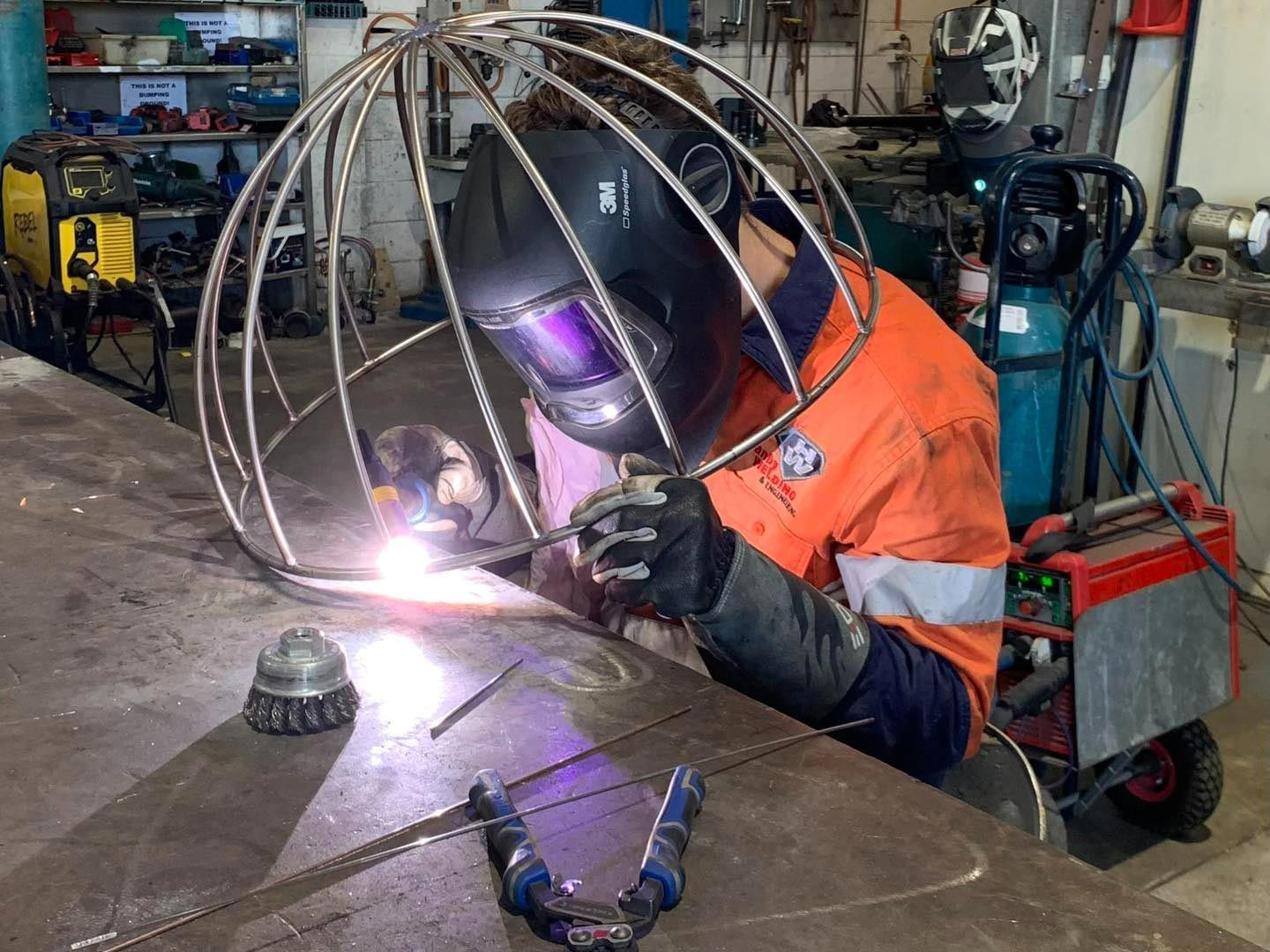
Tungsten Inert Gas (TIG) welding, or Gas Tungsten Arc Welding (GTAW), is renowned for producing exceptionally clean, precise welds. While slower than MIG, TIG is essential for projects demanding a high-quality finish and fine detail.


Key features of TIG welding include:


  • Ability to weld thin sections of stainless steel, aluminium, copper and other exotic metals.
  • Clean welds with minimal post-weld cleaning required.
  • Excellent control over heat input and weld bead appearance.
  • Non-consumable tungsten electrode for precise arcs.


Applications in Cairns:


  • Fabrication of stainless steel balustrades and architectural features.
  • Custom marine projects where corrosion resistance is vital.
  • Pipe welding for food-grade facilities and chemical plants.
  • Repairs requiring a seamless, high-quality appearance.


TIG welding is especially valuable in Cairns for projects exposed to coastal conditions, where both strength and corrosion resistance are critical.


Stick Welding: Reliable for Outdoor & Structural Work


Shielded Metal Arc Welding (SMAW), commonly called Stick welding, remains one of the most trusted methods for construction and repair work in Cairns. It’s well-suited for outdoor environments and heavy structural applications.


Key features of Stick welding include:


  • Portable and flexible — no need for external shielding gas.
  • Performs reliably in windy or outdoor conditions.
  • Effective for welding thicker materials and heavy structures.
  • Cost-effective for maintenance and repair jobs.


Applications in Cairns:


  • On-site structural steel welding during commercial construction.
  • Repairs to machinery, trucks and equipment in remote areas.
  • Rural projects where access to gas cylinders is limited.
  • Structural work on agricultural infrastructure.


Local contractors value Stick welding for its ruggedness and suitability for mobile welding services, even in remote regions around Cairns.


Flux-Cored Arc Welding (FCAW): Speed & Strength Combined


Flux-Cored Arc Welding (FCAW) offers a balance between the high speed of MIG and the outdoor reliability of Stick welding. It uses a continuous wire feed, similar to MIG, but the wire contains flux, providing its own shielding gas.


Key features of FCAW include:


  • High deposition rates for faster welding.
  • Better performance than MIG in outdoor or windy conditions.
  • Excellent penetration for thicker sections of steel.
  • Flexibility for both structural and fabrication work.


Applications in Cairns:


  • Heavy fabrication for structural beams and columns.
  • Industrial manufacturing requiring high weld strength.
  • Outdoor projects are exposed to the weather during construction.
  • Marine applications require robust welds.


FCAW is a popular choice among contractors seeking productivity without sacrificing strength, making it a key technique in welding in Cairns.


Mobile Welding Services: Bringing Solutions On-Site


In a region as diverse as Far North Queensland, not every welding job happens in a workshop. Mobile welding services are vital for industries requiring on-site support.


Benefits of mobile welding include:


  • Fast response for urgent repairs.
  • Convenience for large or immovable equipment.
  • Ability to complete structural welding directly on construction sites.
  • Reduced downtime for businesses needing immediate fixes.


Applications in Cairns:


  • Emergency repairs on construction machinery.
  • On-site fabrication for commercial buildings.
  • Remote welding work in agricultural or mining areas.
  • Marine repairs at local boatyards or on vessels.


Welding for Marine & Coastal Projects


Cairns’ strong connection to the marine industry demands welding solutions tailored for harsh coastal environments. Salt exposure accelerates corrosion, requiring careful material choices and precision welding.


Key considerations for marine projects include:


  • Using marine-grade stainless steel for corrosion resistance.
  • TIG welding for seamless, high-quality finishes on visible components.
  • Ensuring welds can withstand constant moisture and salt spray.
  • Compliance with marine safety and regulatory standards.


From aluminium boat fabrication to stainless steel fittings on yachts, quality welding work is essential for longevity and safety in Cairns’ marine industry.


Structural Steel Fabrication


Structural steel welding is critical for commercial and industrial construction across Cairns. Projects often require strong, durable welds that comply with engineering specifications and building codes.


Welding methods used in structural fabrication include:


  • MIG and FCAW for fast, clean welds in workshop settings.
  • Stick welding for on-site connections and repairs.
  • Quality checks, such as ultrasonic testing, are used to ensure weld integrity.


Reliable structural welding helps ensure buildings, bridges, and industrial facilities remain safe and long-lasting in Cairns’ demanding climate.


Why Local Welding Knowledge Matters in Cairns


Welding in tropical regions like Cairns faces unique challenges. High humidity, salt-laden coastal air and intense heat can affect materials, equipment and long-term durability. Local expertise ensures welding processes are chosen and executed with these conditions in mind.


When clients look for welding in Cairns, they need professionals who:


  • Understand how local climate impacts different metals.
  • Apply welding methods that withstand marine environments.
  • Deliver quality work in both workshop and mobile settings.
  • Offer solutions suitable for structural, industrial and repair applications.


Discover Professional Welding Solutions in Cairns


From structural steel fabrication to marine projects and mobile welding services, a wide range of welding techniques keeps Cairns’ industries and infrastructure running strong. Each method offers unique advantages, ensuring that local contractors, builders and businesses receive solutions tailored to their specific needs.


At Hanby Welding & Engineering, we deliver quality welding in Cairns, backed by technical expertise and a commitment to meeting local conditions. Contact us today to discuss your next project and discover how our skilled team can support your welding requirements.
By Hanby Welding & Engineering March 19, 2026
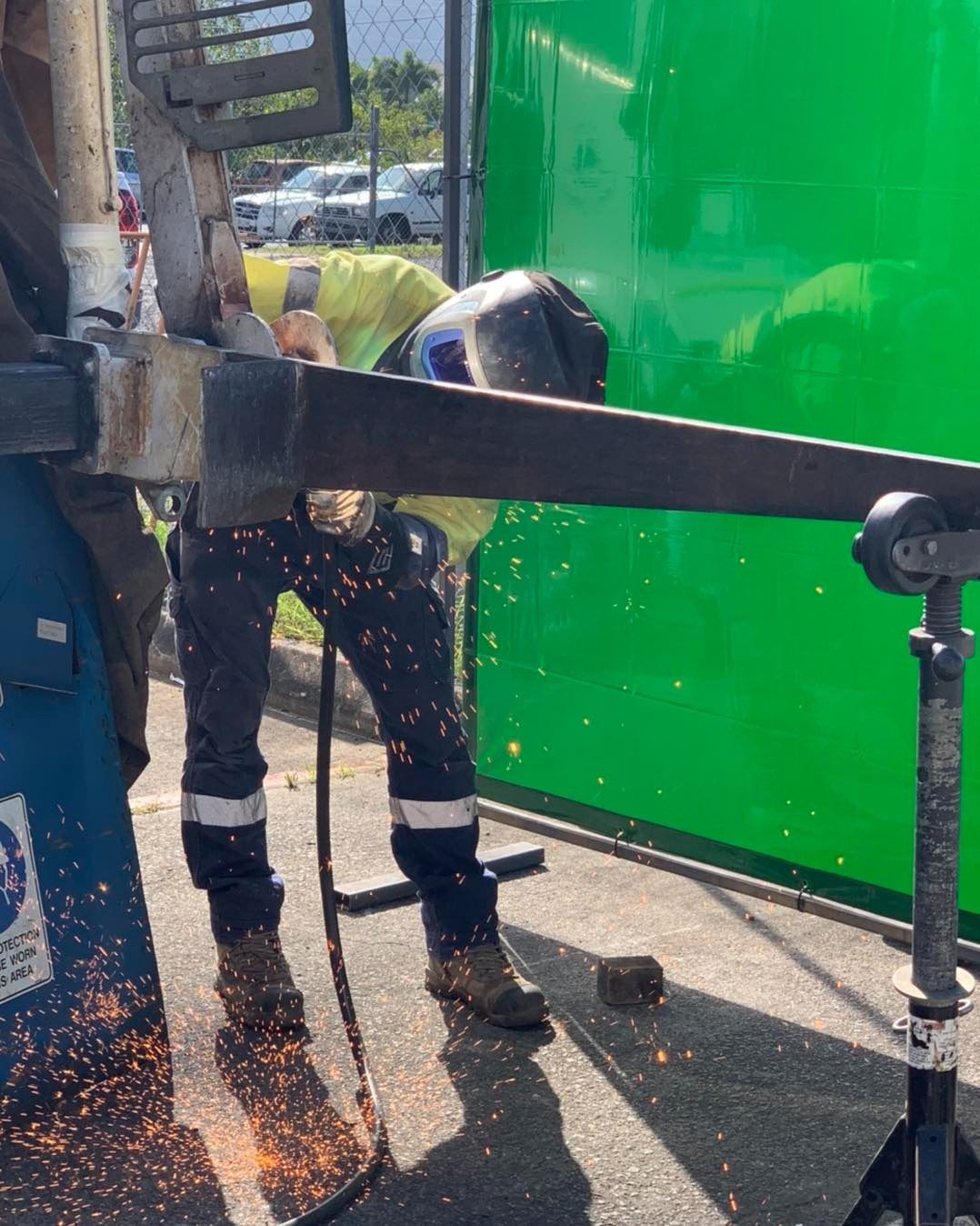
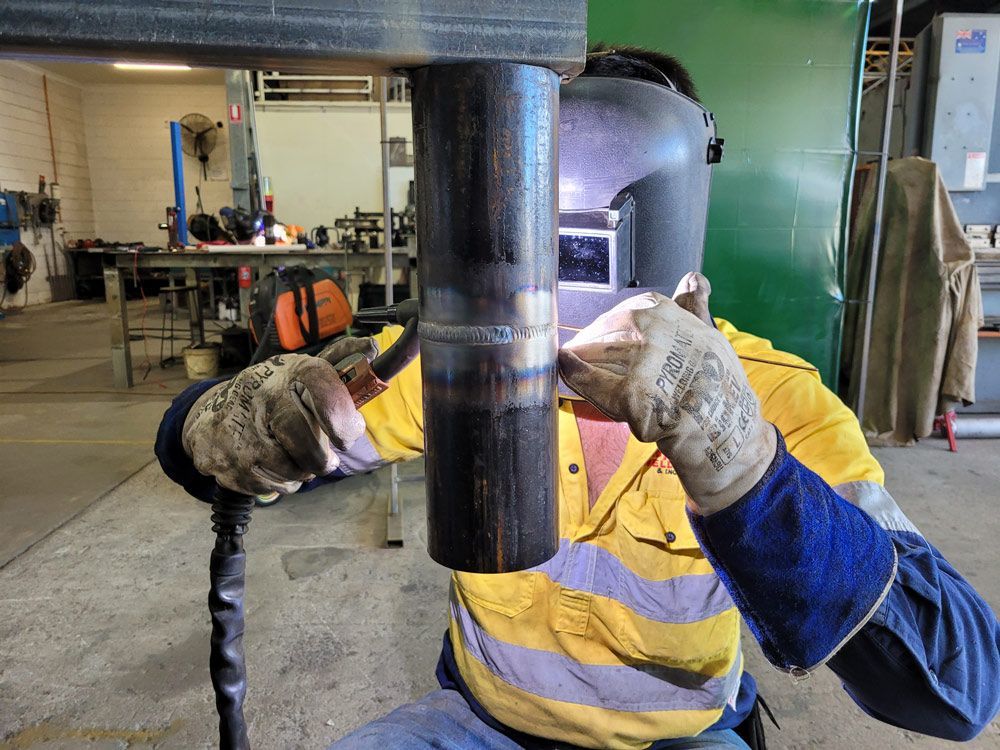
Welding plays an important role in maintaining and repairing structures, machinery and equipment across a wide range of industries. From small repairs to large-scale fabrication, the approach taken can influence both the outcome and the overall efficiency of a project. One of the key decisions often involves choosing between mobile welding and workshop-based welding in Cairns. Each method offers different advantages depending on the nature of the work, the location of the equipment and the level of precision required. Understanding how these services differ can help property owners, contractors and businesses make informed decisions about maintenance and repair work. Mobile welding offers flexibility when repairs need to happen on-site Mobile welding services are designed to bring equipment and expertise directly to the job site. This approach is particularly useful when repairs need to be completed quickly or when transporting materials is not practical. On-site welding can be used for a range of maintenance tasks, including repairing structural components, fixing damaged equipment or reinforcing metalwork in place. Because the work is completed at the location of the issue, mobile welding can reduce delays associated with transport. It also allows repairs to be carried out in real-world conditions, which can be helpful when assessing how components perform under load or stress. For many maintenance scenarios, mobile welding provides a direct and adaptable solution. Workshop welding allows for controlled environments and detailed fabrication Workshop welding takes place in a controlled setting where specialised equipment and tools are readily available. This environment supports precision work and more complex fabrication tasks. Working in a workshop allows for consistent conditions, which can be beneficial when accuracy and finish are important. Workshop welding is often suited to: detailed fabrication requiring precise measurements projects involving multiple components or assemblies work that requires specialised machinery or tooling jobs where environmental control improves weld quality Because materials can be handled and positioned more easily in a workshop, this approach is commonly used for structured builds and long-term fabrication projects. When equipment cannot be moved, mobile welding becomes a practical solution In many situations, moving equipment or structures is not practical. Large machinery, fixed installations or structural components may be too heavy or complex to transport safely. Mobile welding allows repairs to be carried out where the equipment is located. This can be particularly useful for infrastructure, industrial equipment or structural elements that are already installed. By working on-site, welders can assess the condition of the material in its operating environment. This can help identify contributing factors such as wear patterns or load stresses. For maintenance tasks involving immovable assets, mobile welding offers a way to address issues without disrupting the surrounding setup. Large-scale fabrication projects are often better suited to workshop settings When projects involve building new components or assembling multiple parts, workshop environments often provide the necessary space and tools. Fabrication work may require specialised machinery, precise measurements and controlled positioning of materials. These requirements are often easier to manage in a workshop setting. Workshop welding is typically chosen for: structural steel fabrication custom-built components multi-stage assembly projects detailed finishing and adjustments The ability to work in a structured environment allows for greater control over each stage of the fabrication process. Preventative maintenance can be handled through both mobile and workshop services Preventative maintenance involves inspecting and repairing components before issues develop into larger problems. Both mobile and workshop welding services can support this approach, depending on the situation. Mobile welding can be used to inspect and reinforce structures in place, particularly when regular maintenance is required on-site. Workshop welding, on the other hand, may be used for components that can be removed and serviced separately. By combining both approaches, maintenance strategies can be adapted to suit the specific requirements of different assets. This flexibility allows property owners and operators to address wear and tear in a way that aligns with how equipment is used. Turnaround time may vary depending on the welding method used The time required to complete a welding project can differ depending on whether mobile or workshop services are used. Mobile welding may offer quicker response times for urgent repairs, as the work is carried out directly on-site. However, certain tasks may take longer if specialised equipment is required. Workshop welding may involve additional time for transport, but it can streamline complex fabrication work. Factors affecting turnaround time include: the complexity of the repair or fabrication availability of materials and equipment site accessibility and setup requirements the need for specialised tools or processes Understanding these factors can help project managers plan timelines more effectively. Accessibility and site conditions can influence the choice of welding service The physical conditions of a job site often play a significant role in determining which welding method is most suitable. Limited access, uneven ground or restricted working areas can affect how welding tasks are performed. Mobile welding services are often adapted to handle varied environments, but certain conditions may limit the type of work that can be carried out safely. In contrast, workshop welding provides a stable and controlled setting where materials can be positioned precisely. Assessing site conditions in advance helps determine whether on-site work is practical or if components should be transported to a workshop for completion. Choosing between mobile and workshop welding depends on the scope of the project Selecting the right welding approach involves considering several factors related to the project itself. Both mobile and workshop welding have their place, depending on the nature of the work. Key considerations may include: whether the materials can be transported the size and complexity of the project the urgency of the repair the level of precision required By evaluating these elements, project planners can choose an approach that aligns with both practical requirements and project timelines. Projects across Cairns often involve challenging conditions, from coastal exposure to heavy equipment use in construction and marine environments. At Hanby Welding & Engineering, we provide support for a wide range of projects requiring welding in Cairns , including both mobile repairs and workshop-based fabrication. To discuss your project or arrange a service, visit www.hanbywelding.com.au/ or contact us today.
Welder in Protective Gear Works on Metal
By Hanby Welding & Engineering February 26, 2026
Choose licensed professionals for superior welding in Cairns that ensures safety, quality and compliance on every job. Get expert solutions now.
High Quality Precision Welding
By Hanby Welding & Engineering February 4, 2026
Invest in quality welding in Cairns to save money long term. Get durable results, fewer repairs and peace of mind. Request a quote today.
Welder Wearing Protective Gear, Welding Metal In A Workshop.
By Hanby Welding & Engineering December 9, 2025
Spot early signs you need welding repairs with advice from skilled welders in Cairns and take action to keep your structures safe.
Welder At Work
By Hanby Welding & Engineering October 27, 2025
Discover expert tips for choosing the right professional for welding in Cairns. Learn what to consider to ensure quality and reliable results.
Person Welding on a Boat Hull Under a Tarp. Bright Arc of Light
By Hanby Welding & Engineering September 11, 2025
Boost efficiency with Welding Cairns services. Mobile welding Cairns offers flexibility and precision for strong reliable results. Explore the benefits now.
Welder in protective gear using a torch on a metal flange.
By Hanby Welding & Engineering August 24, 2025
Looking to hire a professional welder for an upcoming welding project? In this blog, we discuss why hiring a welder with certification is highly important.