Preventative Maintenance: Mobile Welding vs Workshop Welding: Which Is Better for Your Cairns Project?
Hanby Welding & Engineering • March 19, 2026
Welding plays an important role in maintaining and repairing structures, machinery and equipment across a wide range of industries. From small repairs to large-scale fabrication, the approach taken can influence both the outcome and the overall efficiency of a project.
One of the key decisions often involves choosing between mobile welding and workshop-based welding in Cairns. Each method offers different advantages depending on the nature of the work, the location of the equipment and the level of precision required.
Understanding how these services differ can help property owners, contractors and businesses make informed decisions about maintenance and repair work.
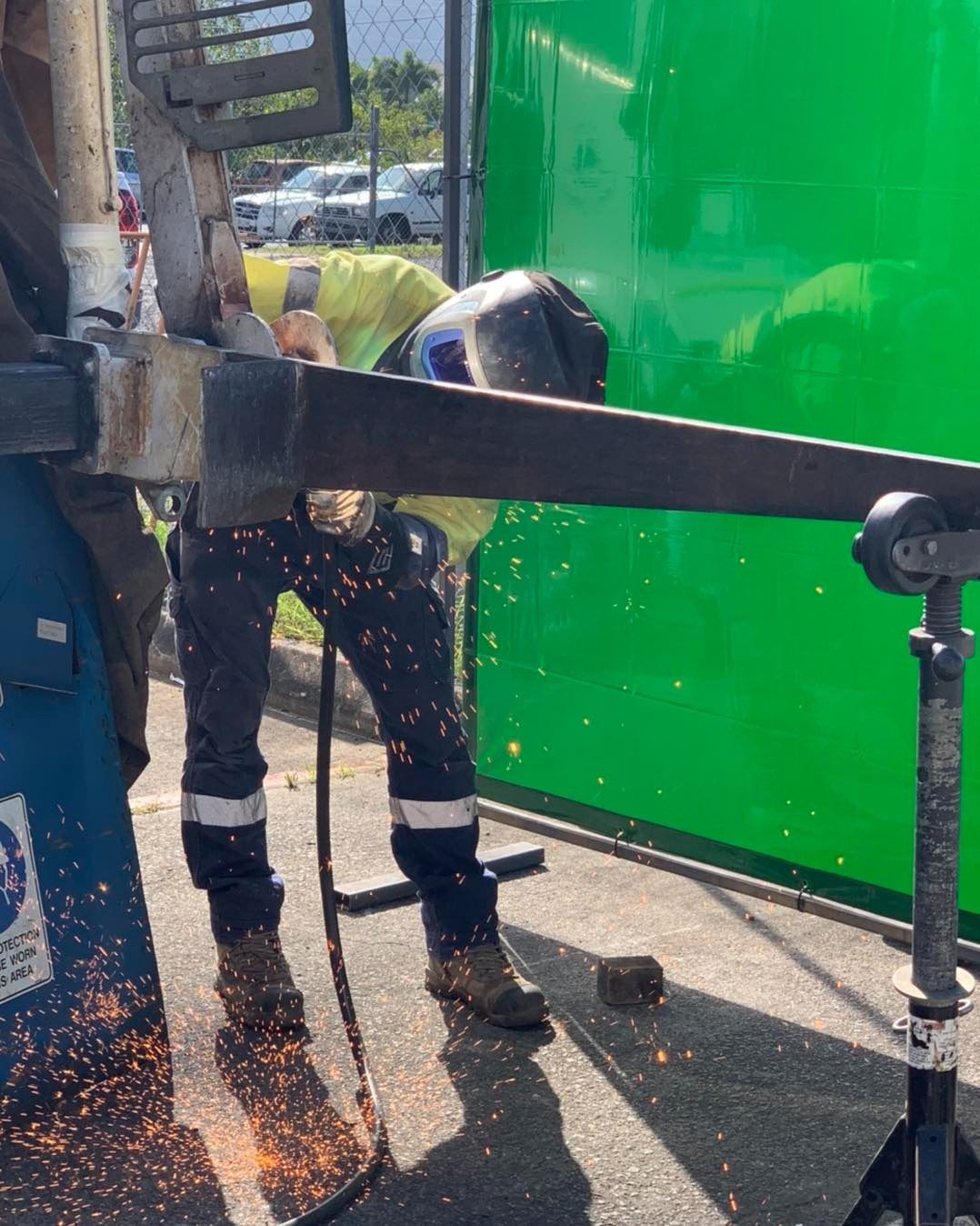
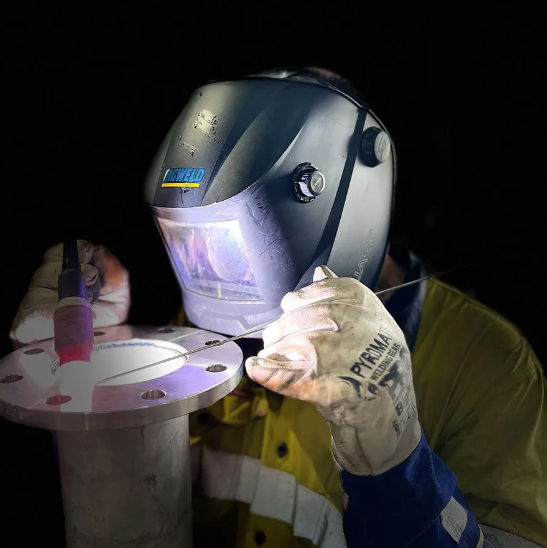
Mobile welding offers flexibility when repairs need to happen on-site
Mobile welding services are designed to bring equipment and expertise directly to the job site. This approach is particularly useful when repairs need to be completed quickly or when transporting materials is not practical.
On-site welding can be used for a range of maintenance tasks, including repairing structural components, fixing damaged equipment or reinforcing metalwork in place.
Because the work is completed at the location of the issue, mobile welding can reduce delays associated with transport. It also allows repairs to be carried out in real-world conditions, which can be helpful when assessing how components perform under load or stress. For many maintenance scenarios, mobile welding provides a direct and adaptable solution.
Workshop welding allows for controlled environments and detailed fabrication
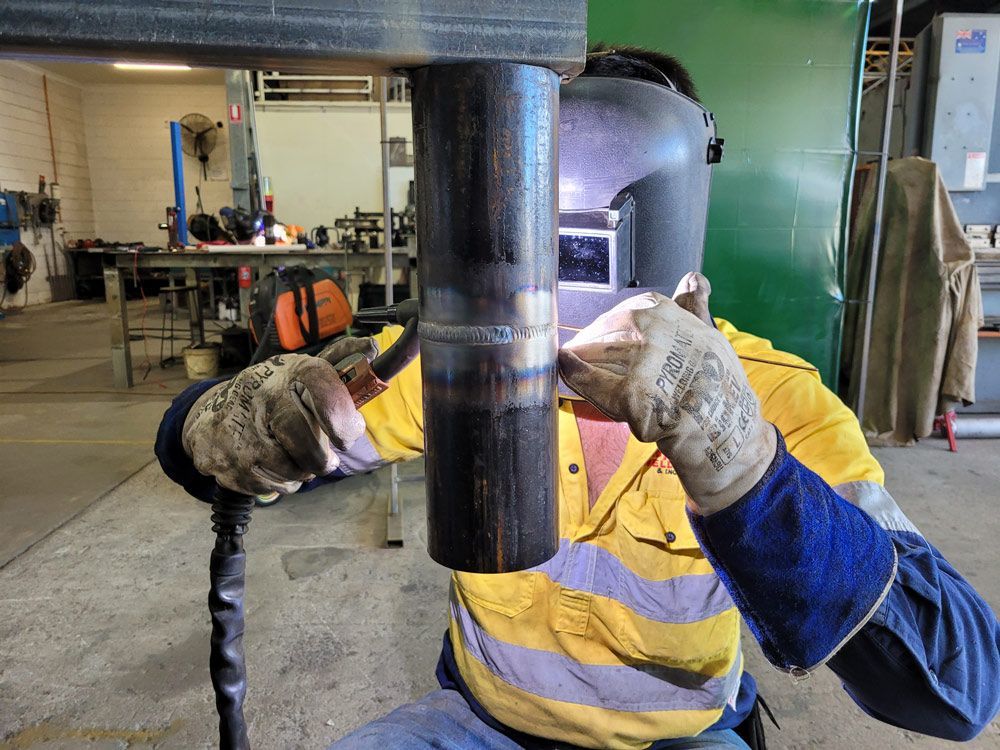
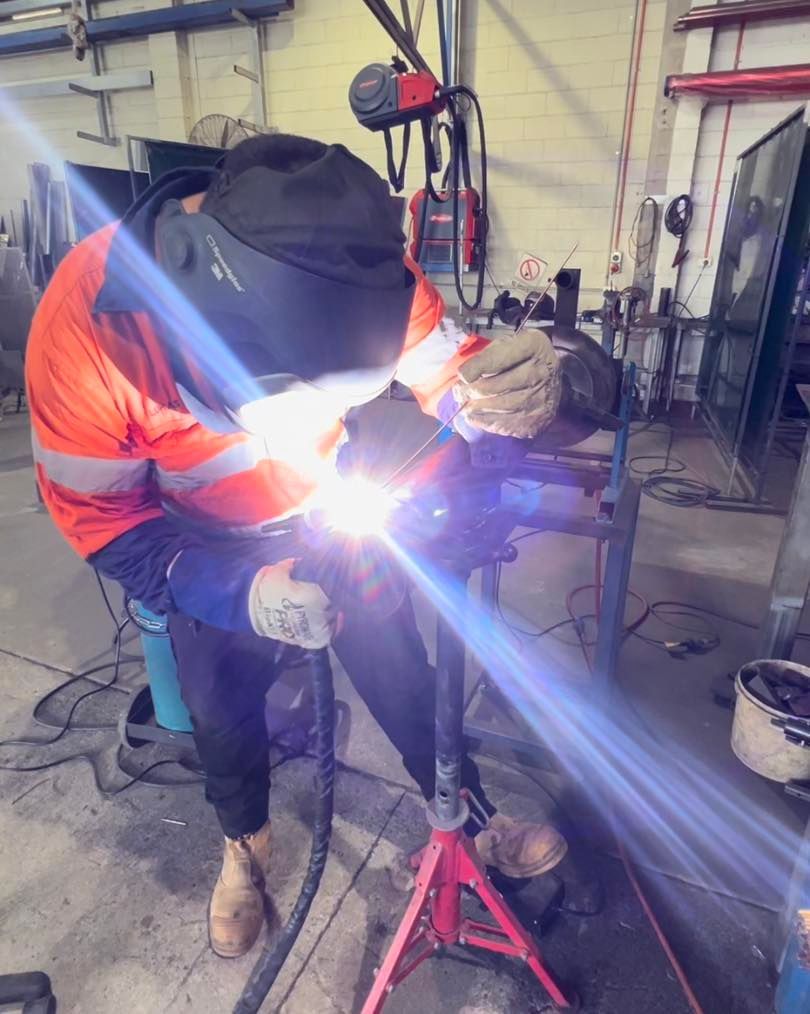
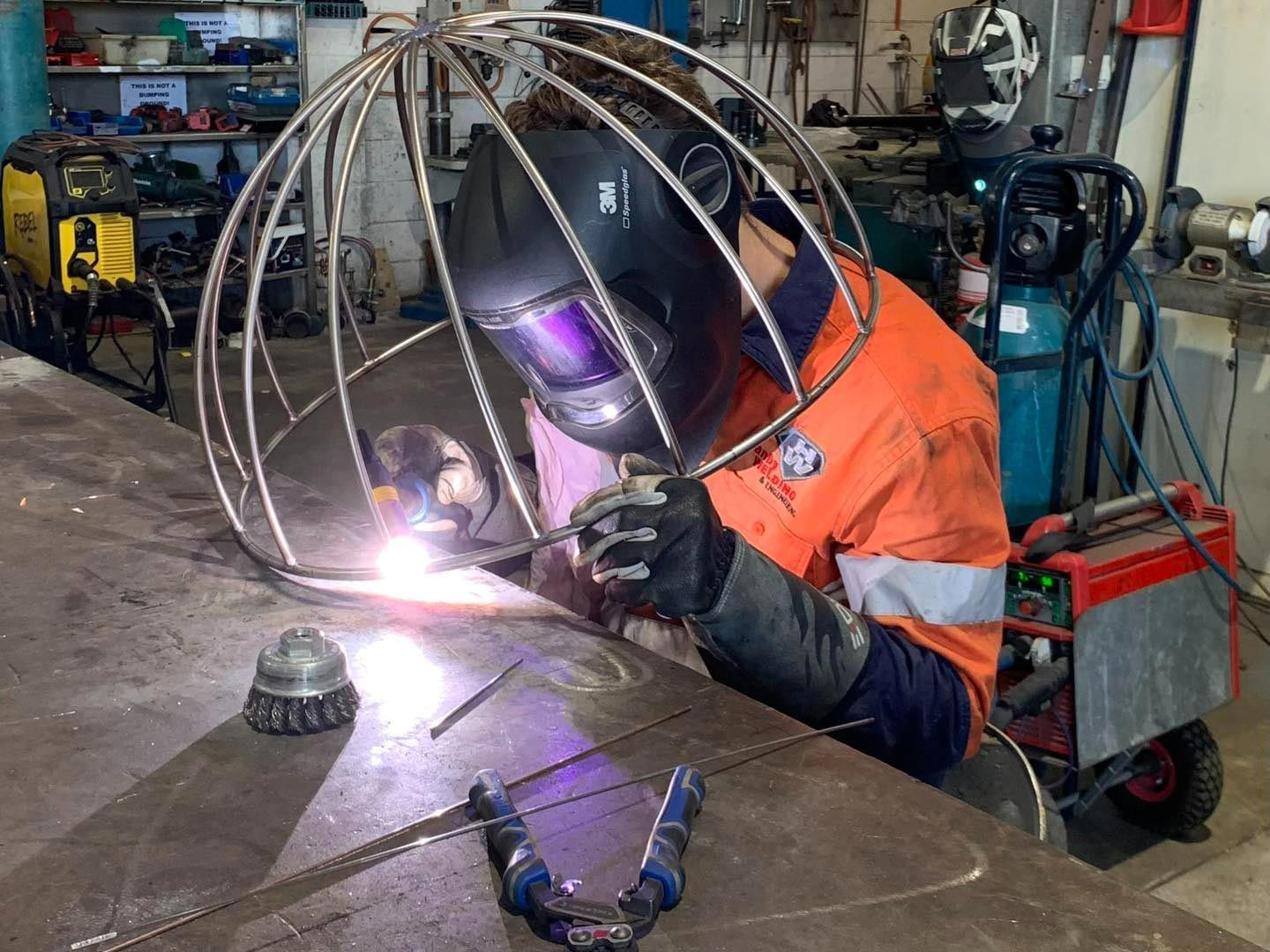
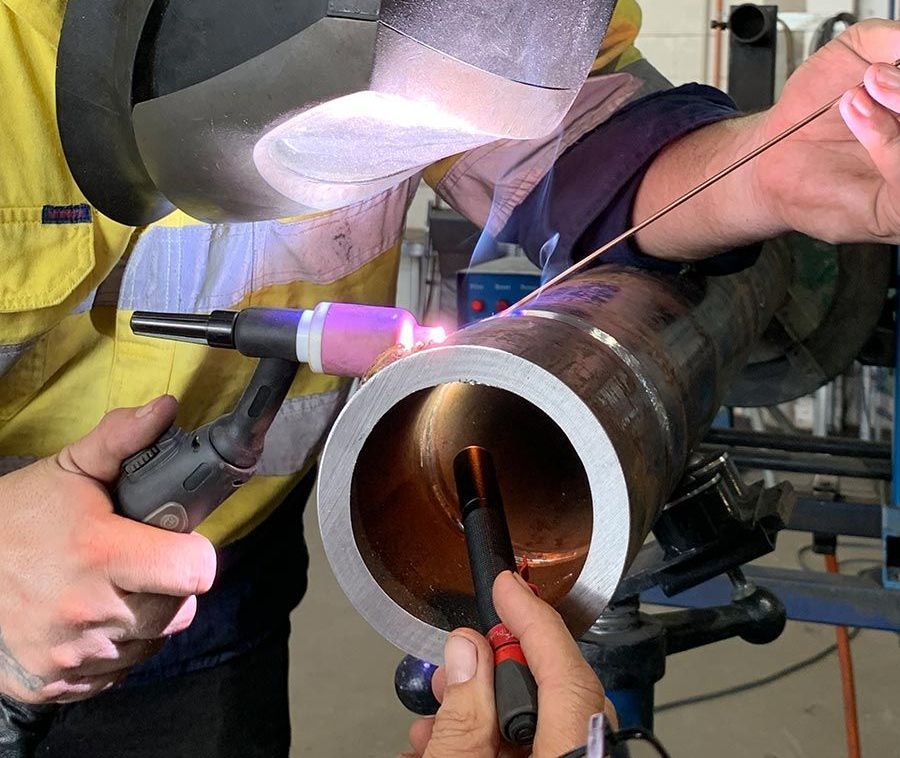
Workshop welding takes place in a controlled setting where specialised equipment and tools are readily available. This environment supports precision work and more complex fabrication tasks. Working in a workshop allows for consistent conditions, which can be beneficial when accuracy and finish are important.
Workshop welding is often suited to:
- detailed fabrication requiring precise measurements
- projects involving multiple components or assemblies
- work that requires specialised machinery or tooling
- jobs where environmental control improves weld quality
Because materials can be handled and positioned more easily in a workshop, this approach is commonly used for structured builds and long-term fabrication projects.
When equipment cannot be moved, mobile welding becomes a practical solution
In many situations, moving equipment or structures is not practical. Large machinery, fixed installations or structural components may be too heavy or complex to transport safely. Mobile welding allows repairs to be carried out where the equipment is located. This can be particularly useful for infrastructure, industrial equipment or structural elements that are already installed.
By working on-site, welders can assess the condition of the material in its operating environment. This can help identify contributing factors such as wear patterns or load stresses.
For maintenance tasks involving immovable assets, mobile welding offers a way to address issues without disrupting the surrounding setup.
Large-scale fabrication projects are often better suited to workshop settings
When projects involve building new components or assembling multiple parts, workshop environments often provide the necessary space and tools. Fabrication work may require specialised machinery, precise measurements and controlled positioning of materials. These requirements are often easier to manage in a workshop setting.
Workshop welding is typically chosen for:
- structural steel fabrication
- custom-built components
- multi-stage assembly projects
- detailed finishing and adjustments
The ability to work in a structured environment allows for greater control over each stage of the fabrication process.
Preventative maintenance can be handled through both mobile and workshop services
Preventative maintenance involves inspecting and repairing components before issues develop into larger problems. Both mobile and workshop welding services can support this approach, depending on the situation.
Mobile welding can be used to inspect and reinforce structures in place, particularly when regular maintenance is required on-site. Workshop welding, on the other hand, may be used for components that can be removed and serviced separately.
By combining both approaches, maintenance strategies can be adapted to suit the specific requirements of different assets. This flexibility allows property owners and operators to address wear and tear in a way that aligns with how equipment is used.
Turnaround time may vary depending on the welding method used
The time required to complete a welding project can differ depending on whether mobile or workshop services are used. Mobile welding may offer quicker response times for urgent repairs, as the work is carried out directly on-site. However, certain tasks may take longer if specialised equipment is required. Workshop welding may involve additional time for transport, but it can streamline complex fabrication work.
Factors affecting turnaround time include:
- the complexity of the repair or fabrication
- availability of materials and equipment
- site accessibility and setup requirements
- the need for specialised tools or processes
Understanding these factors can help project managers plan timelines more effectively.
Accessibility and site conditions can influence the choice of welding service
The physical conditions of a job site often play a significant role in determining which welding method is most suitable. Limited access, uneven ground or restricted working areas can affect how welding tasks are performed.
Mobile welding services are often adapted to handle varied environments, but certain conditions may limit the type of work that can be carried out safely. In contrast, workshop welding provides a stable and controlled setting where materials can be positioned precisely.
Assessing site conditions in advance helps determine whether on-site work is practical or if components should be transported to a workshop for completion.
Choosing between mobile and workshop welding depends on the scope of the project
Selecting the right welding approach involves considering several factors related to the project itself. Both mobile and workshop welding have their place, depending on the nature of the work.
Key considerations may include:
- whether the materials can be transported
- the size and complexity of the project
- the urgency of the repair
- the level of precision required
By evaluating these elements, project planners can choose an approach that aligns with both practical requirements and project timelines.
Projects across Cairns often involve challenging conditions, from coastal exposure to heavy equipment use in construction and marine environments. At Hanby Welding & Engineering, we provide support for a wide range of projects requiring
welding in Cairns, including both mobile repairs and workshop-based fabrication. To discuss your project or arrange a service, visit www.hanbywelding.com.au/ or
contact us today.